It’s normal for cuts, blisters, or sores to heal themselves. Our bodies are able to heal themselves, with just the right amount of care and clean. However, if the wound doesn’t heal after about four to six weeks or if it becomes more swollen, redder, leaking fluid, or emitting a bad smell that’s a clear sign something is more complicated happening. Sometimes, a sore that starts small can become a non healing foot ulcer or leg wound, and if left untreated, these can lead to serious complications, even amputation in extreme cases.
If you’ve been putting off getting help and watching a sore which isn’t healing, it could be time to put down the wait and seek help.
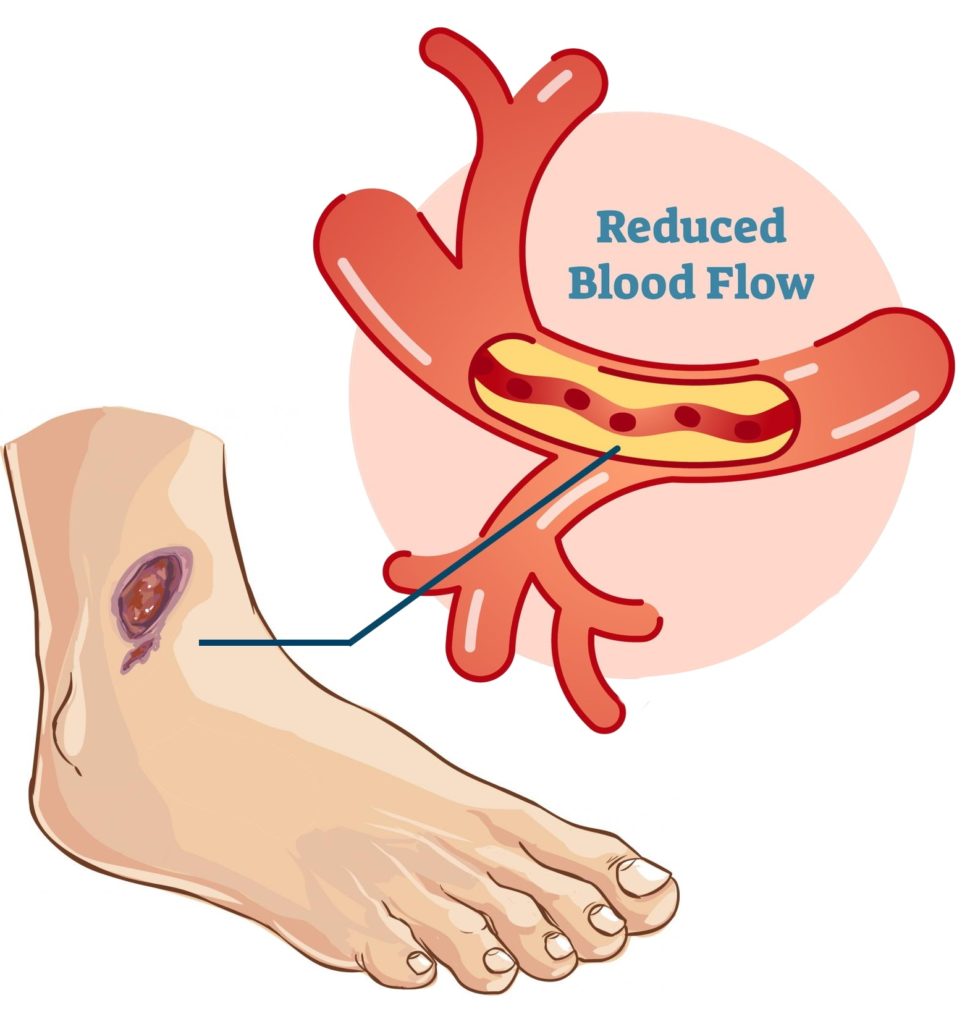
Why some wounds refuse to heal
Understanding why a cut won’t heal will help you and your physician determine the best course of action.
In the beginning, if you suffer from diabetes, you’re at high likelihood of developing leg and foot wounds that aren’t healed well. High blood sugar can damage nerves, meaning you don’t be able to feel any pain. It also hinders the flow of blood and makes it more difficult for minor cuts to heal.
Another big cause is poor circulation, often linked to venous or arterial ulcers. If your veins or arteries aren’t working and your blood doesn’t supply enough nutrients and oxygen to help heal your skin.
Bedores can also form (pressure ulcers) when you suffer from mobility issues. Bedores are a different kind of wounds that are very stubborn if they are not treated appropriately.
Other elements like the aging process, certain medication (like blood thinners) or autoimmune diseases, and even poor nutrition may hinder healing. Sometimes, it’s the combination of the above factors that can cause the wound to not heal.
How Long Should Healing Take And what if it doesn’t?
It’s normal for people to wonder how long healing “should” take. However, it depends on the type of wound as well as your overall health. A tiny cut or blister could heal within a couple weeks. If however, you’re dealing with deep foot ulcers or leg wounds that aren’t healing it could last up to 12 weeks when things are going well.
The important thing to remember is that if you’re not experiencing noticeable improvement after 4 to 6 weeks, don’t put off treatment. This is the best time to seek the help of an expert. The longer a wound remains open longer, the more risky it could become.
You Deserve Better Finding the right help
Your body doesn’t tell you that it needs your help since it isn’t ready to heal. The good news? There are specialist and treatments that can make a difference. At our clinic we treat non-healing leg wounds and foot ulcers. We collaborate with other healthcare professionals in order to create a custom plan that helps your body heal.
There are many options, whether it is advanced wound dressings or restoring blood flow. Even special therapies such as hyperbaric oxygen. We’ll help you every step of the way because no one has to face a wound that won’t heal on their own.
Final Thoughts
The effects of a wound that doesn’t heal aren’t just physical. They impact your entire life. There’s hope. Don’t be afraid to seek assistance if you’re tired of dealing an injury to your leg that will not heal an ongoing sore or a wound that’s not healing. If you get in touch for help, the sooner the wound you’ve been struggling with will heal, and you’ll be able get back to living the life you deserve.