Data is a resource that has become an integral part of the business world. Data can be utilized to either make or break a business. Power BI, Microsoft Fabric and other powerful tools are employed by companies to unlock the full potential of their data. These platforms form the basis of business analytics and when they are integrated with Azure Data Factory become an unstoppable force.
Power BI Your Business Intelligence Companion
Power BI by Microsoft is a powerful business intelligence tool that allows organizations to visualize and share their data. It empowers users to create interactive dashboards and reports and transforms raw data into actionable information.
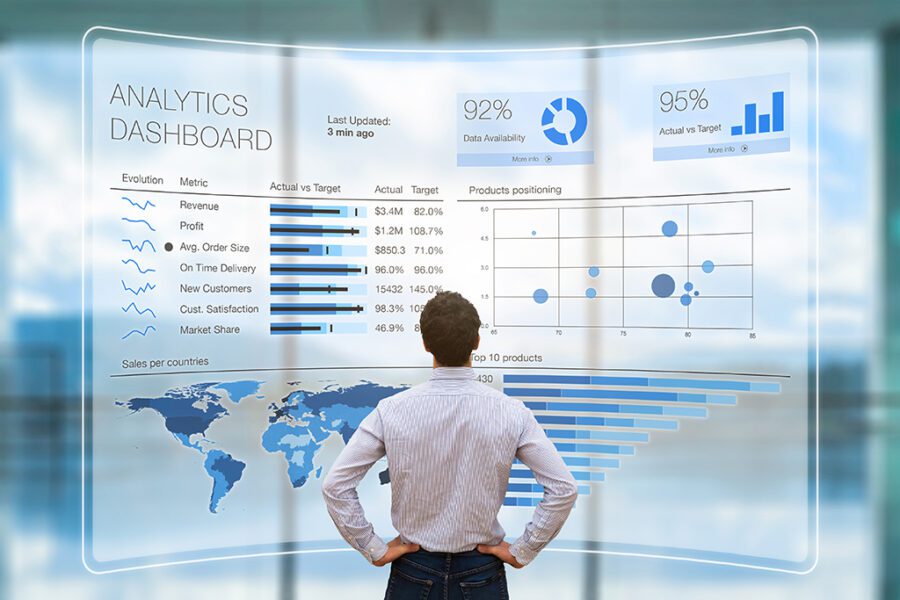
Power BI can be tailored to meet your specific needs whether you’re a startup or a large business. It connects to multiple sources of data to make it simpler for users to combine the information from various systems and databases. Its intuitive drag-and drop interface, even non-technical users can quickly create relevant reports and analyses.
Power BI’s platform allows for real-time data processing. This means that you are always working with accurate data. It comes with a range of visualisations, which allows the data to be presented in the most digestible and engaging way. Collaboration and sharing reports with colleagues can improve decision-making and promotes a data driven environment within your company.
Microsoft Fabric: The weaving of data Innovation
Microsoft Fabric is the underlying framework that connects and orchestrates data across different Microsoft services. Fabric is the layer which transforms your data into an easily accessible and usable entity. This enables businesses to get insights fast.
Microsoft Fabric helps businesses maintain data integrity and consistency as they work with growing numbers of data. It connects to a variety of services, ranging from Azure Data Lake Storage and Azure SQL Data Warehouse to Power BI and more. The interconnectedness of the services ensures that data is flowing smoothly and that information are derived from many sources.
The versatility of Microsoft Fabric is particularly evident in its data transformation capabilities. Make use of it to cleanse and prepare data to be analysed. It is also possible to use it to ensure that your data is compliant to the policies of your company’s data governance. Microsoft Fabric is an infrastructure that will ensure your data is reliable and reliable for analysis.
Azure Data Factory: The Gateway to Data Transformation
Azure Data Factory, another vital component of modern business intelligence, is Azure Data Factory. It’s a cloud-based data integration service that permits you to create, schedule and manage data-driven workflows. By orchestrating data movement as well as the transformation of data, Azure Data Factory paves the way for meaningful insights.
One of the strengths of Azure Data Factory is its ability to connecting to different data sources. Whether your data resides on-premises or is in the cloud, it is able to be seamlessly integrated, ensuring you have an entire overview of your data ecosystem. The platform is able to handle batches of processing, real-time stream of data, and big data analytics. This is why it is suitable for all kinds of applications.
Azure Data Factory provides a visual interface to ease the process of designing data pipes. It’s simple to design, schedule, and monitor the workflow of data, even if you’re not a pro at coding. Users can be in charge of data integration as well as self-service data prep.
Power BI with Microsoft Fabric, Azure Data Factory, and Power BI
If Power BI is combined with Microsoft Fabric and Azure Data Factory They form a powerful trio that could revolutionize data analytics. How do they interact?
1. Data Integration Azure Data Factory can connect to many sources of data and make sure that your data is readily available. This integration technology feeds Microsoft Fabric which orchestrates data across a variety of services. This ensures that your data is properly organized, cleaned and is ready for analysis in Power BI.
2. Data Transformation: Microsoft Fabric is a important component of data transformation. It lets you transform your data to meet your preferences. The fabric is a powerful instrument for data transformation as well as data cleansing and manipulation.
3. Data Visualization: Once your data is perfect and ready to go, Power BI takes over. It lets you create visually appealing dashboards and reports and makes complex data simple to understand. Then, you can present these findings and inspire your team members to make decision-based on data.
4. Scalability: Azure Data Factory scales effortlessly to handle increasing volume of data, and the combined power of Power BI and Microsoft Fabric makes sure that your data remains constant and reliable even when your business grows.
5. Power BI & Azure Data Factory can provide real-time information that is essential for agile decision-making.
You can also read our conclusion.
Business intelligence is changing rapidly and organizations need to harness the power of data to stay competitive. Power BI combined with Microsoft Fabric and Azure Data Factory can take your business analytics to the next level. The trio of tools can assist users create stunning visualizations that improve data consistency and streamline workflows. Make the most of data by utilizing business intelligence.