A drainage system could appear good in normal weather but a storm that is severe can expose every weak spot in the property’s infrastructure. Parking areas may flood and detention pools can fill up too fast, roads are dangerous, and areas that are low-lying begin to collect water. The problem, in most cases, is not just rain. The site might not have the proper method to move stormwater in the event that gravity isn’t working enough.
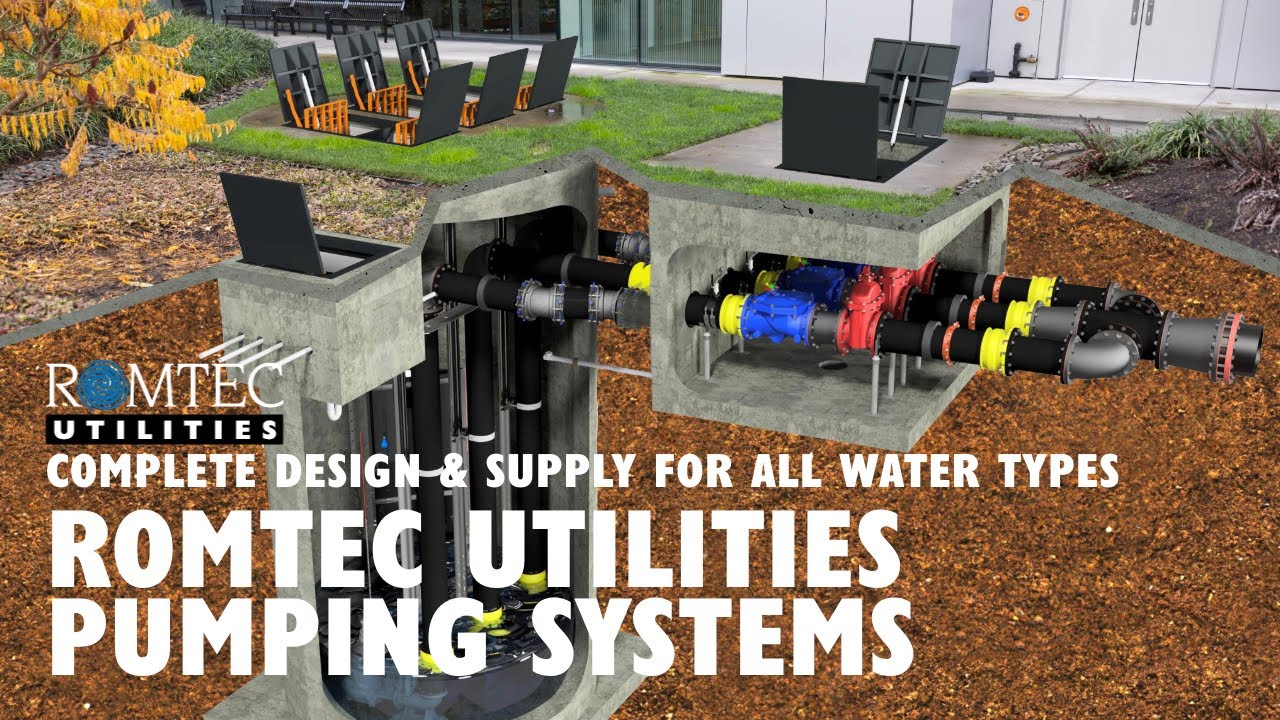
A stormwater lift station becomes essential. These systems are designed to collect and pump stormwater out of areas where runoff naturally collects, helping protect roads, buildings and utilities as well as outdoor areas. Lift stations are an essential element in any construction project, regardless of whether they are industrial, municipal commercial, residential or. They’re also essential for keeping a site operational both during and after storms.
Stormwater management should be designed to fit the site.
Every property handles runoff in a different way. Retail centers that have large paved parking areas behaves differently from a residential subdivision. Neither of these property types will be able to meet the requirements that a industrial site or municipal drainage project might. Rates of flow, elevations on the site detention requirements, site elevations, and discharge conditions all shape how a stormwater management system should be designed.
Romtec Utilities doesn’t treat stormwater pumping the same way as a standard package. Each system is created in accordance with the pumping requirements of a particular site, whether it’s for the prevention of flooding, for emptying detention ponds or wetlands, managing the runoff from a property that is developed or supporting a large municipal drainage network. The ideal solution will be contingent on the quantity of water that must move and how fast.
Stormwater runoff pumps are more than a single pump inside a vault
A reliable stormwater pump station is not just a powerful machine. It functions as a highly coordinated system that seamlessly blends structural, mechanical, electrical and control elements to handle large stormwater volumes effectively and efficiently. To ensure that the station is operating at its best throughout its lifespan important factors such as accurate pump sizing, precise wet well design, sophisticated controls and pipes that are durable, strong power systems, and continuous monitoring must all operate in perfect harmony.
This level of total system integration is exactly why the best stromwater system designers stand out from the competition. The best designs don’t only address an immediate drainage problem, but they also take an approach that is proactive and long-term. The best engineering considers the ease of maintaining over time, the future needs of the site and the best efficiency for operation. The whole system has to be designed to stand up to the toughest environments and not be based on faulty assumptions.
The process of planning is vital regardless of whether you’re dealing with torrential floods, or planning municipal systems subject to high pressures, like booster pump stations for drinking water purification, where failure is not an alternative. Romtec Utilities creates stormwater systems which consider the practicalities. They provide a range of pump stations that are built for various uses. These pumps come with documentation, instruction and startup assistance to ensure that the user can effectively manage the system.
Better planning creates better flood protection
A properly engineered stormwater pump station is able to reduce risk of flooding, improve the site’s usability, and protect nearby property from water damage. It also can make the site more durable through ensuring that runoff can be handled efficiently and quickly during major rain events.
It’s easy to forget about stormwater infrastructure until it begins to break down. A solid stormwater lift station is the best investment an owner of a home or municipality could make to manage runoff efficiently, instead of passively. With the right design and the appropriate support, a robust stormwater management system helps keep an area safer and more efficient, as well as more prepared for the demands of weather changes.