The condition of the residential oil tanks is seldom taken into consideration by homeowners, but these tanks are vital to the comfort and safety of the home. The replacement of oil tanks is an investment of significant value that must be a top priority for homeowners, since it directly impacts the environmental and infrastructure of the home.
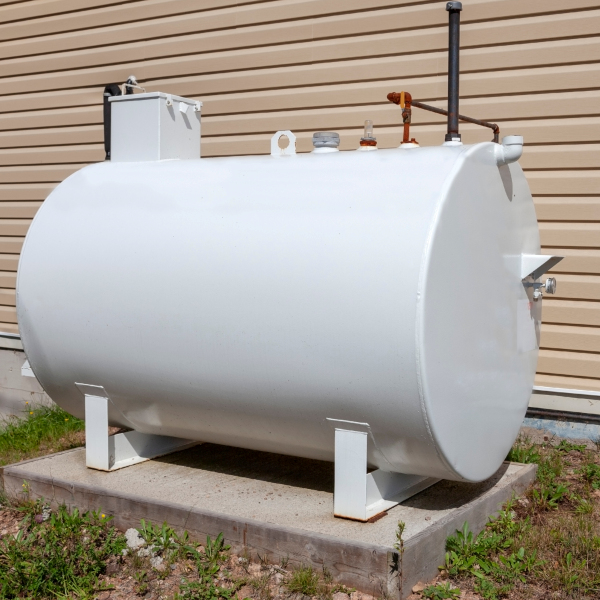
The residential oil tanks are the unrecognized heroes of the home. They serve as fuel for heating systems and hot water systems. With time, corrosion is likely to cause leaks, and other environmental hazards. The condition of the oil tank needs to be assessed by the homeowners and replacement is a priority if it is needed. Oil tank replacement is more than just an economic decision. It is also a means to safeguard your home from damage and to ensure a steady supply of heating oils.
Costs are a crucial factor to think about
The financial aspect of oil tank replacement is a major consideration for homeowners. The price of an oil tank replacement may differ dependent on factors such as the size of the tank, its placement as well as whether there are environmental regulations. It is important to budget efficiently by getting precise estimates from reputable oil tank service suppliers. While the initial price may be high, this is essential to ensure the security and safety of your home.
Factors Influencing Replacement Costs
Various factors influence the price of replacing oil tanks. The size and shape of tank, its accessibility to the location of installation Environmental remediation requirements as well as compliance with safety regulations and building codes are all elements. The homeowner should be aware of the cost of labor and materials, along with any potential improvements that may be required. Homeowners will be able to make better decisions regarding replacement costs if they know these factors.
Prioritizing Environmental and Safety Considerations
Tanks of oil are replaced with the environment and safety with environmental considerations in mind. The corrosion and leakage in old tanks could cause soil and water pollution. The replacement of deteriorated tanks helps reduce the environmental risk and protects the surrounding ecosystem. Additionally, compliance with strict safety standards during the installation of new tanks prevents injuries, and helps ensure the health of the household.
Choosing a Reliable Service Provider
Selecting a reputable oil tank replacement service is crucial for a seamless and compliant process. Homeowners should find licensed professionals who have experience in installation and removal. A service provider with an established track record of oil tank replacement, along with the commitment to environmental responsibility and safety, is ideal. Professionals who are honest and professional ensure that your replacement needs are fulfilled.
The long-term benefits far outweigh the initial cost.
While the initial cost of replacing your oil tank might seem high, the benefits you’ll receive in the end are incomparable. The replacement of old tanks can help homeowners to avoid expensive environmental remediation as well as property damage that leaks can cause. Tanks that are new offer greater efficiency and security. They offer peace of mind as well as an assured source of heating fuel. Overall, replacement of the oil tank is a proactive step which protects your home, promotes sustainability and enhances long-term comfort and safety.
A replacement for an oil tank not only a financial investment and a necessity, but it’s also an action that homeowners need to take to ensure their safety, efficiency and the sustainability and environmental integrity of their houses. Recognizing the significance of replacing and analyzing the costs is crucial to making informed choices. Homeowners can safeguard their home by proactively maintaining their homes and replacing the old materials in an environmentally responsible way. This will lead to a more sustainable and safe living space.